by Aine Kim
There is an unexplainable feeling of quiet horror in realizing that your greatest enemy shares your DNA. My childhood fears were never the needles, nor were the monsters ever under my bed. It was the girls and boys next to me, blessed with such normalcy, who made me wonder, What’s wrong with me? While my own cells, the very architect of my existence, tore away the tissue on my face, my “community” had torn my identity. This is South Carolina.
Best-in-the-state doctors stood as awkward statues, sterile and silent in their gloves. Their faces held the same expression of “ever-so-trained” concern, yet no amount of training could help them fix me. There was no magic medication or surgery – no cure for that matter. As the tissue on my face began to erode, the question plaguing my mind did too: Why me? My condition progressed relentlessly despite the long injections and handfuls of thick pills. Heavy silence and exchanged looks of apologetic confusion churned feelings inside my adolescent self. Yet beyond the needle, and beyond the flesh, it was inside that endured the worst kind of pain: my mind had rotted with the belief that I was the disease personified. The echoing silence grew beyond the doors of my doctor’s appointments; I never once heard the voices of comfort or understanding among my peers. Rather, judging glances and laughter drowned me in my helpless shame. How could there be so much loudness and silence all at once? The warm state of South Carolina nourished the illusion that I was the illness, a walking error.
I was robbed by my body and robbed of my childhood. I never learned to love my appearance; rather, my hatred grew in the lack of awareness, the absence of support systems, and the humiliation of my visible symptoms in a place that was supposed to be “community.” Lingering gazes from strangers, one second longer than normal, and recurring questions made me wonder if the question, “Were you in an accident?” was true.
I yearned for nothing but silence and solitude. I surrendered in a house sealed shut. No one could enter; I couldn’t escape – no windows for me to see the cruel reality of South Carolina.
And then I heard a knock.
Thick and humid clouds gloomed over the entrance of Palmetto Infusion Center as I stepped inside for my IV dosage. The first time I saw her, a mutual stillness was exchanged. Quick, awkward glances across the room confirmed that she was around my age, hooked to a matching IV. After her dosage, she hesitantly approached me, and we immediately traded complaints about their horrible snack selection. Soon, we shared our stories. It was an unfamiliar comfort. My thick walls of solitude began to crumble, and my reality became a shared space of understanding. This interaction had built a small house of its own – big enough to acknowledge the existence of other kids like us in the state. Our bond was so profound that I still find myself reminiscing about its influence today. The simple relief of feeling seen, being heard. I was no longer alone.
It is a heartbreaking, yet ironic, realization that the very state responsible for cherishing my childhood youth was the same place where I had grown to resent it. This agonizing issue extends to a broader pain. Today, there are other children in my community with medical issues who remain hesitant to speak about the emotional influence their conditions hold – a silence born from a lack of understanding and a fear of judgment. I find, however, that my story offers a source of conviction. If one person could reshape my reality, what could be achieved by an entire state?
Despite spending so much time with my doctors, I never truly felt I was emotionally cared for. Implementing stronger provider training in emotional patient advocacy and an integrated wellness check during appointments can have a significant impact on how children learn to foster their resilience. Furthermore, by establishing chronic illness awareness programs throughout schools, we reduce stigma, providing the “windows” I once lacked. I envision the future of my home state, South Carolina, to truly be a “home” to every child, especially for those with journeys shaped by invisible battles. No one’s peace should have to be obtained in the form of silence. In a state that truly sees the faces beyond the diagnosis, we can turn houses of isolation into homes of belonging.
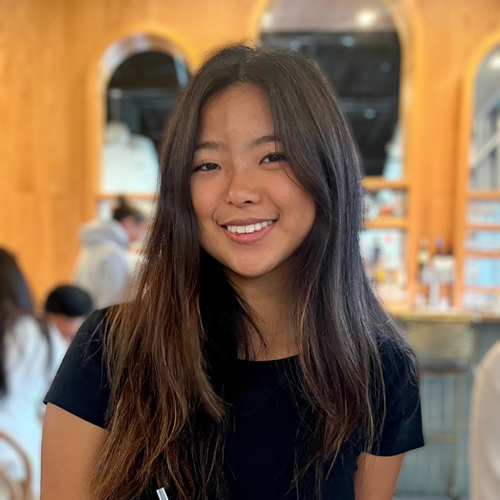
About Aine Kim
Aine Kim is a junior at River Bluff High School in Lexington. The daughter of Joonyul Kim and Sang-eun Byun, Aine enjoys drawing, music, and playing tennis. She wants to pursue a career in business and economics.